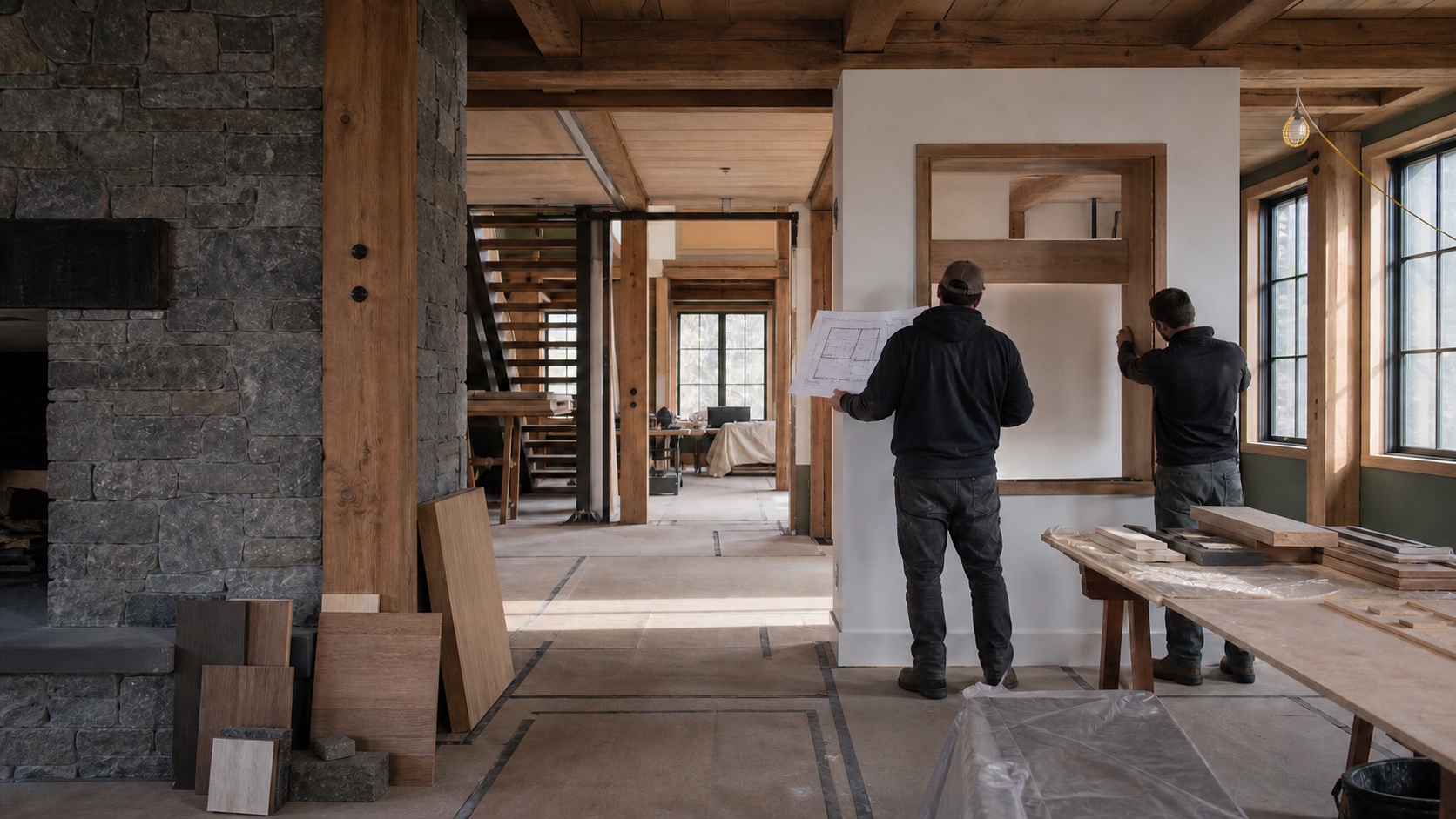
Give each repair a clear finish line
A loose finish, damaged trim, unfinished room or grouped property list should not have to become a whole-house renovation to receive attention. SlabWorx Contracting works from focused corrections through larger coordinated repairs. The useful first step is to describe the condition and the result you need, rather than guessing the hidden cause.
A repair list becomes easier to manage when each item has a location, a photograph, a description and a priority. Separate a cosmetic annoyance from a problem affecting water entry, access or safe use. If a condition appears hazardous, keep people away and seek the appropriate urgent help rather than waiting for a routine repair appointment.
Small list or larger connected scope?
Several small items may share setup, access or finishing work. Repairing trim, adjusting a door and restoring an adjacent finish may make sense as a grouped scope. A recurring crack, stain or movement needs a closer look at what is driving the condition before surface repair becomes the plan.
For larger work, identify which systems or assemblies connect to the visible problem. A damaged entry may involve drainage and concrete as well as carpentry. A water-stained interior may depend on exterior repair before repainting. The goal is to make the necessary connection without automatically expanding every small job.
Completing work someone else started
Gather the contract or scope you hold, material information, approvals, photographs and a list of unfinished items. Distinguish visible completed work from concealed work that has not been verified. Label stored parts and note which products belong to which room.
A completion plan should say what the new scope includes and where further investigation or professional review is needed. Existing workmanship does not become verified simply because the final trim is installed. Keeping that boundary clear helps establish a practical path forward.
Prepare the property and the decisions
Tell us whether the property is occupied, who controls access and which work areas must remain usable. For turnover or sale-related work, share the actual deadline and required records. Identify finish matching expectations early: patching a small area and renewing a complete surface are different scopes.
Before work is agreed, ask who supplies materials, handles disposal and approves discoveries. At handoff, walk the itemized list together and record any remaining decisions. Keep product details and relevant photographs with the property records.
Discuss a repair list. For connected work, see building envelope repairs and repair verification and closeout. Read new conditions and owner choices before a repair expands.
Updated November 9, 2026.