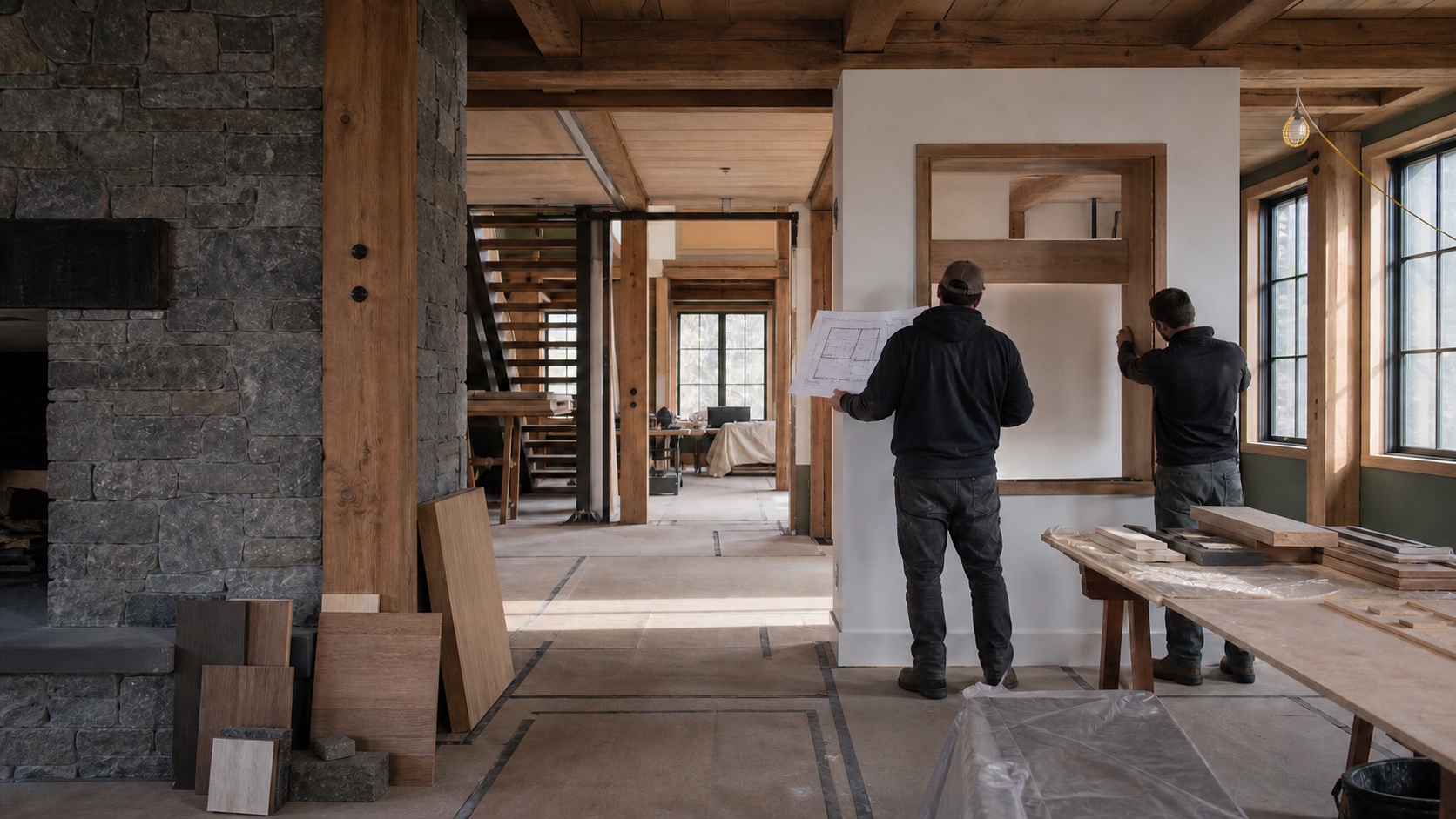
Turn the idea into decisions that can be priced
Preconstruction planning connects constructability, access, sequencing, budget and risk before field work begins. SlabWorx Contracting uses the property's real conditions and the owner's intended outcome to shape the next scope. The planning effort should fit the job, from a short repair list to a larger phased project.
Start with the outcome, not a collection of products. Describe the problem, the space or area involved and the features that must remain. List essential work separately from options. That distinction helps compare realistic paths without removing the choices that matter to you.
Identify what is known and what needs resolution
Collect existing drawings, relevant approvals, product information and photographs you already hold. Note differences between the documents and the current property rather than assuming every old plan is accurate. Identify which field measurements, assessments or qualified design inputs are needed next.
A useful planning record gives each open decision an owner and a dependency. Some choices can be made immediately; others depend on an investigation, an approval or completed work. Treating every item as equally ready can lead to premature ordering or an incomplete price comparison.
Compare complete alternatives
Compare scope boundaries as well as totals. Ask what each option includes for preparation, related trade work, protection, disposal and restoration. Separate allowances and unresolved quantities from fixed selections. A lower initial figure may describe less work rather than a more efficient way to deliver the same result.
For phased projects, determine what the current phase must leave ready for later work. Identify any temporary conditions and the cost or disruption of returning to an area. Phasing should be a deliberate project choice, not simply unfinished decisions carried into construction.
Test the sequence before committing
Discuss access, delivery routes, storage, occupied use and the steps that depend on outside review. Identify the selections that could delay other work and the evidence needed before releasing custom items. Keep target dates tied to the decisions and conditions on which they depend.
The planning handoff should leave a clear scope, an unresolved-item list and a practical next step. Ask what is ready for pricing or construction and what still needs review. That makes the transition into field work more useful than a folder of attractive ideas alone.
Start a planning conversation. Read scope before pricing, future phases versus current scope and delivery routes before ordering.
Updated November 9, 2026.